Blankenburg: Mastering the Blackletter Font for High-Impact Design Projects
In the world of digital typography, choosing the right typeface is often a strategic decision rather than merely an aesthetic one. It involves balancing readability with character, ensuring brand alignment, and managing technical compatibility across platforms. When a project calls for a voice that is historical, bold, and uncompromising, the Blankenburg font by Peter Wiegel stands out as a premier choice. As a creative and cool blackletter font, Blankenburg offers a unique solution for designers who need to bridge the gap between medieval calligraphy and modern usability. This article explores the practical implementation of Blankenburg, detailing how this typeface can be integrated into professional workflows, from initial concept to final execution.
Understanding the Anatomy of Blankenburg
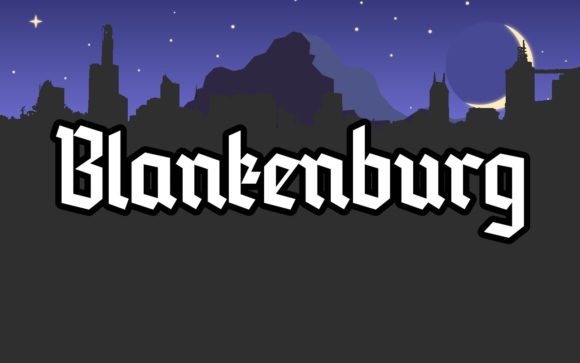
Before integrating a font into a design system, it is essential to understand its structural properties. Blankenburg is not a standard text font; it is a display typeface rooted in the blackletter tradition. However, unlike historical blackletter scripts that can be difficult for contemporary audiences to decipher, Blankenburg has been engineered with unique and well-balanced characters. This balance is crucial for modern designers who want the visual impact of Gothic script without sacrificing legibility.
The font features the high contrast and vertical stress typical of blackletter designs, but Peter Wiegel has refined the glyphs to ensure they flow well together. This makes it distinct from purely decorative "Old English" fonts that often feel disjointed when used in longer words or phrases. For the creative professional, this means Blankenburg can function as a reliable component in a broader visual identity, rather than just a one-off novelty. It matches a wide pool of designs, ranging from vintage branding to modern streetwear aesthetics, provided the implementation is handled with a clear process.
Strategic Placement in the Design Workflow
Effective typography management requires planning. When incorporating a specialized font like Blankenburg, consider where it fits within your project lifecycle. Generally, typeface selection happens during the planning and ideation phase, but Blankenburg’s specific versatility allows for broader application.
Phase 1: Conceptualization and Brand Voice
The first step in using Blankenburg is defining its role in the project's voice. Is the goal to evoke tradition, rebellion, or craftsmanship? Because Blankenburg is a "cool" take on a classic style, it works exceptionally well for brands that want to appear established yet edgy. During the mood boarding stage, test Blankenburg against other elements of your visual identity. Does it clash with your imagery, or does it provide a necessary anchor? Use this phase to determine if Blankenburg will serve as the primary headline font or as an accent for logos and monograms.
Phase 2: Technical Preparation and Asset Management
Once the decision to use Blankenburg is made, the workflow moves to technical preparation. Download the font files (typically .ttf or .otf) and install them on all workstations involved in the project. For teams, it is best practice to upload the font to a shared asset library or a design system like Figma or Adobe Creative Cloud Libraries. This ensures consistency across all deliverables. Check the font's licensing—Peter Wiegel’s fonts often come with specific usage rights, so verify that your intended use (commercial printing, web embedding, merchandise) aligns with the license before finalizing designs.
Practical Implementation: Use Cases and Workflows
The true value of Blankenburg lies in its application. Because it matches a wide pool of designs, it can be deployed in various scenarios. However, the execution must be precise to maintain design integrity.
Logo Design and Branding
When using Blankenburg for logos, the process should focus on customization. While the font is well-balanced, a logo often requires unique kerning or ligatures to make the mark proprietary. In Adobe Illustrator, outline the Blankenburg text and manually adjust the spacing between specific letter pairs—such as "WA" or "To"—to achieve optical perfection. This step is vital for creating a professional wordmark that feels bespoke rather than "off-the-shelf."
Editorial and Publishing Layouts
For publishers and bloggers, Blankenburg is best reserved for drop caps, pull quotes, and headers. Attempting to use it for body text will likely result in readability issues. In your layout software (such as InDesign), pair Blankenburg with a clean, high-x-height sans-serif or serif font for the body copy. This contrast creates a visual hierarchy that guides the reader's eye. The workflow here involves setting up paragraph styles early in the document setup to ensure the header styling is applied consistently throughout the publication.
Digital Marketing and Social Media
Marketers can leverage Blankenburg to create "thumb-stopping" content on platforms like Instagram or TikTok. The blackletter style commands attention in a feed dominated by sans-serifs. When creating social templates, ensure that the font size is large enough to be legible on mobile devices. A practical tip is to test the design on a smartphone screen before finalizing the export. If the serifs of the Blankenburg characters bleed together at small sizes, increase the font size or use it only for the first word of the headline to maintain clarity.
Compatibility and Integration with Other Tools
No font exists in a vacuum. Blankenburg must interact with other tools and resources in your stack. One common workflow challenge is web implementation. While desktop usage is straightforward, converting Blankenburg for web use requires generating WOFF2 files or using a service that hosts the font. Ensure that your CSS includes proper fallback fonts (e.g., `font-family: 'Blankenburg', 'Times New Roman', serif;`) so that if the font fails to load, the layout does not break.
Furthermore, consider how Blankenburg interacts with color and texture. Blackletter fonts often look best when they are not treated as flat, solid black blocks. Experiment with texture overlays or gradients within the letters. In Photoshop, this involves clipping a texture layer to the text layer. This interaction between the font and the medium adds depth to the design, reinforcing the "creative and cool" aspect of the typeface.
Quality Control and Long-Term Use
As with any design asset, quality control is the final gatekeeper. Before sending a project to print or publishing a site, review the Blankenburg implementation for consistency and kerning. Check for "rivers" of white space in the counters (the enclosed spaces within letters like 'o' or 'e') if you are using a dark background.
For long-term use, organize your Blankenburg files logically. Keep a record of the version number and the license key in a central database. If you are a freelancer or agency, document how Blankenburg is used in your brand guidelines for clients. This ensures that when the client takes over asset management, they understand how to maintain the typographic standard you have set.
Conclusion
Blankenburg by Peter Wiegel is more than just a font; it is a design tool that, when used correctly, adds significant value to creative projects. By understanding its unique characteristics, planning its integration into your workflow, and executing its application with technical precision, you can ensure that this blackletter typeface makes your creative ideas come alive. Whether you are designing a logo, laying out a magazine, or crafting a social media campaign, Blankenburg offers a cool, creative edge that distinguishes your work from the mundane.