Lemongrass: The Handwritten Font Bringing Playful Authenticity to Modern Design
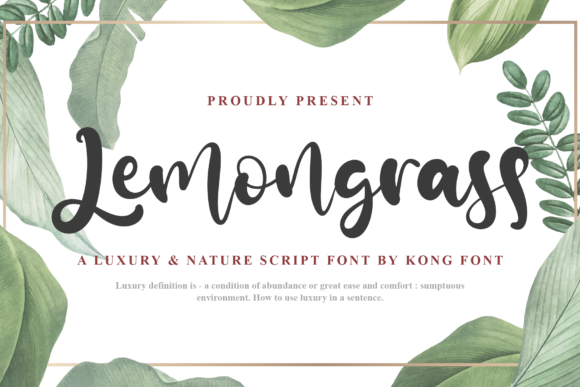
In the digital landscape, where perfection is often automated, there is a growing hunger for the imperfect, the human, and the authentic. This shift is visible in everything from website design to social media branding, and it has placed a spotlight on a specific category of typography: the modern handwritten script. Among the various options available to creatives, the Lemongrass font has emerged as a distinct voice. Created by Kong Font Studio, Lemongrass is more than just a typeface; it is a tool for injecting personality into a project, bridging the gap between digital precision and organic warmth.
The Psychology of the Handwritten Style
Typography has always been about more than just legibility; it is about emotion. When a viewer sees a rigid, blocky font, they often associate it with authority, structure, and sometimes rigidity. Conversely, script fonts evoke feelings of intimacy, creativity, and approachability. Lemongrass leans heavily into this psychological territory. It is designed to mimic the natural flow of ink on paper, offering a connection that cold, digital text often lacks.
For the audience aged 20 to 50—whether they are entrepreneurs, educators, or hobbyists—this connection is vital. A business owner looking to sell handmade soap or a blogger sharing personal stories needs a visual language that says, "I am real, and I made this." Lemongrass provides that visual cue. Its design suggests that a human being is behind the message, fostering trust and engagement in an era where consumers are increasingly skeptical of faceless corporations.
Anatomy of the Lemongrass Aesthetic
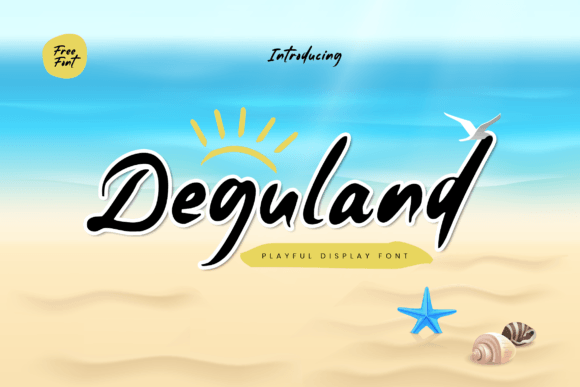
Not all script fonts are created equal. Some are formal and cursive, suitable for wedding invitations, while others are loose and chaotic, resembling graffiti. Lemongrass occupies a specific, highly functional middle ground. It is categorized as a modern and playful handwritten script font. This "playful" descriptor is key. It implies a lightness and bounce in the letterforms that prevents the text from feeling heavy or overly serious.
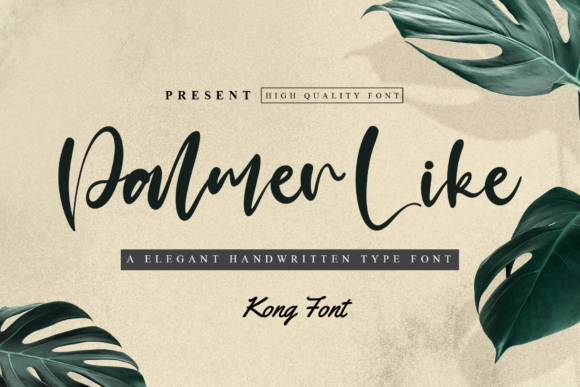
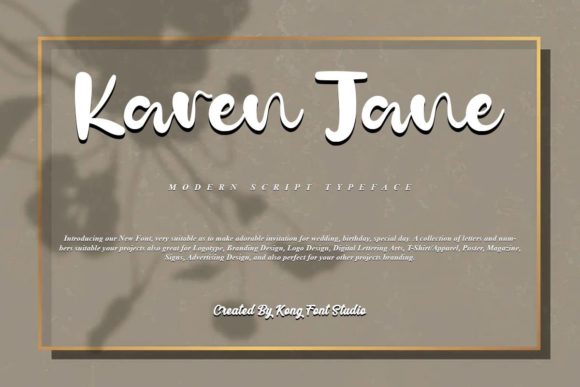
The font features natural-looking ligatures and varying stroke widths that mimic the pressure of a pen or brush. This organic irregularity is what gives Lemongrass its charm. It avoids the stiffness of vector-perfect typography. For designers, this means the font works exceptionally well for headlines, logos, and accent text where the goal is to catch the eye and convey a specific mood rather than to present dense body copy.
Integration into Modern Creative Workflows
A font is only as good as its utility. In the past, designers might have struggled with compatibility issues when downloading third-party assets. However, modern typefaces like Lemongrass are built with contemporary workflows in mind. One of its strongest selling points is its compatibility with industry-standard tools such as Adobe Photoshop and, crucially for the maker community, Silhouette Design Studio.
The Maker Movement and Silhouette Compatibility
The rise of the "maker movement" has transformed how people approach design. Hobbyists and small business owners frequently use cutting machines to create decals, apparel, and home decor. Silhouette Design Studio is a leader in this space. When a font like Lemongrass is fully compatible with these machines, it removes technical friction. A crafter can type out a phrase in the software, load their vinyl or cardstock, and have a physical product that retains the font's authentic, handwritten aesthetic. This seamless transition from screen to physical product is a practical necessity for modern creatives.
Adobe Photoshop Proficiency
For digital creators and marketers, Photoshop remains a staple. Lemongrass functions effectively within this environment, allowing for the creation of social media graphics, website banners, and digital invitations. Because it is a script font, it pairs well with clean sans-serif fonts, creating a hierarchy that guides the viewer's eye. The ability to manipulate the font in Photoshop—adjusting kerning, color, and layer styles—gives designers the flexibility to make Lemongrass fit various brand identities.
Why Playfulness Matters in Professional Contexts
There is a misconception that "playful" equates to "unprofessional." In today's market, this is rarely true. In fact, playfulness is often a strategic choice to humanize a brand. Consider the shift in corporate communication over the last decade. Major brands have moved away from stiff, corporate jargon toward conversational, relatable tones. Visual branding follows this same trend.
Using a font like Lemongrass signals that a brand is approachable and customer-centric. For a freelancer or a small business owner, it can serve as a differentiator. It suggests creativity and openness. For example, a children’s educator might use Lemongrass for learning materials to make the content feel less intimidating. A marketing agency might use it for a specific campaign to soften a call to action. The font allows professionals to bend the rules of formality without breaking them.
The Role of the Creator: Kong Font Studio
Behind every typeface is a creator with a vision. Lemongrass is the product of Kong Font Studio, a designer found on platforms like Creative Fabrica. This ecosystem of independent font designers has democratized design resources. Previously, high-quality typography was often the domain of large foundries with high price points. Now, independent studios can release specialized fonts that cater to niche trends.
Kong Font Studio’s contribution represents the agility of independent design. They can observe a trend—such as the demand for organic, handwritten styles—and produce a font like Lemongrass relatively quickly to meet that demand. For the end-user, this means access to a diverse library of fonts that feel current and relevant. Supporting these creators also encourages a cycle of innovation, where unique styles like the playful script of Lemongrass continue to be developed.
Practical Applications for Various Audiences
The versatility of Lemongrass allows it to be applied across a wide spectrum of projects. Its utility is not limited to one specific niche but spans several creative and professional fields.
- Small Business Branding: Entrepreneurs selling products on Etsy or at local markets can use Lemongrass for logos and packaging to create a cohesive, artisan brand identity.
- Event Stationery: For weddings, baby showers, or birthday parties, the font offers a whimsical yet legible option for invitations and signage.
- Digital Content Creation: Bloggers and influencers can use Lemongrass for Instagram stories or Pinterest pins to add a personal, "handwritten" note feel to their digital presence.
- Apparel Design: Using cutting machines, creators can apply Lemongrass to t-shirts and tote bags, where the font's flowing nature mimics the look of hand-painted lettering.
- Educational Materials: Teachers and parents can create worksheets or classroom decorations that feel welcoming and fun, aiding in engagement for younger learners.
Trends in Typography: The Move Toward Authenticity
The popularity of fonts like Lemongrass is part of a broader movement in design towards "authentic imperfection." In a world dominated by clean, geometric sans-serifs (think of the logos of tech giants), there is a counter-movement seeking texture and warmth. This is visible in the resurgence of retro aesthetics, the popularity of brutalist web design, and the embrace of hand-lettering.
Lemongrass fits perfectly into this trend. It acknowledges that digital communication can feel cold and seeks to warm it up. As we move further into a world of AI-generated content and algorithmic perfection, the human touch becomes a premium commodity. Fonts that simulate the human hand are likely to remain relevant, not just as a stylistic choice, but as a psychological necessity for human connection.
Technical Considerations and Best Practices
While Lemongrass is a powerful tool, using script fonts effectively requires some technical awareness. Because it is a handwritten style, legibility can become an issue if used at very small sizes or for long paragraphs of text. It is best used for display purposes—headlines, subheadings, or short phrases.
Furthermore, when using Lemongrass in design software like Photoshop or Silhouette, attention to spacing (kerning) is often necessary. Handwritten fonts can sometimes have uneven spacing between specific letter pairs. Adjusting these manually ensures that the text looks natural rather than digitally assembled. For Silhouette users, ensuring that the letters are properly welded (joined together) is essential for cutting, so the machine cuts the word as a single shape rather than individual, overlapping letters.
Conclusion: A Fresh Addition to the Creative Toolkit
Lemongrass represents a convergence of style, utility, and modern technology. It is a font that understands its audience: the crafter who needs precision cutting, the designer who needs emotional resonance, and the business owner who needs to stand out. By offering a playful, handwritten aesthetic with the technical robustness required for modern software, Kong Font Studio has created a resource that feels both timely and timeless. For anyone looking to add a touch of organic creativity to their next project, Lemongrass is a worthy contender.