Baby Coffee Font: A Practical Guide for Designers and Crafters
In the world of graphic design and digital crafting, typography is a foundational element that dictates the mood and professionalism of a project. Among the thousands of options available, Baby Coffee has carved out a specific niche. Created by Kong Font Studio, this modern and playful script font is frequently cited as a go-to choice for those seeking a casual, handwritten aesthetic. However, selecting the right font requires more than just an initial glance; it requires an understanding of how the typeface functions in real-world applications. This article provides an objective evaluation of Baby Coffee to help you determine if it aligns with your creative goals.
Understanding the Aesthetic and Structure
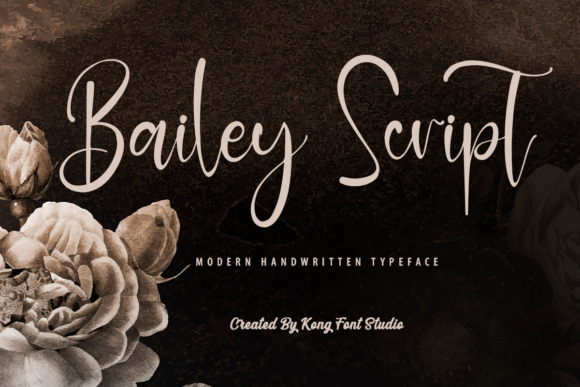
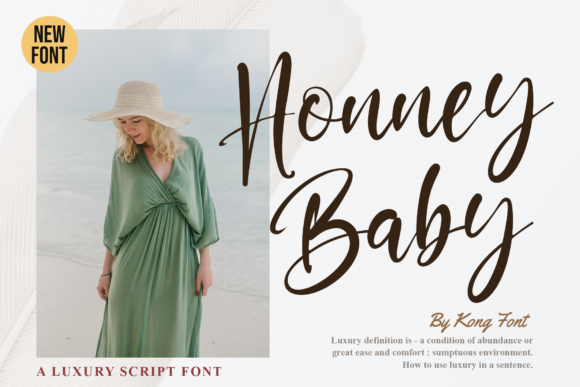
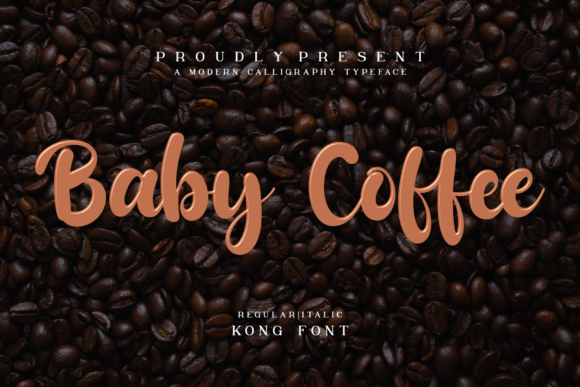
Baby Coffee is best described as a script font that mimics natural handwriting. Unlike formal calligraphy or rigid sans-serifs, it features irregular baselines and fluid letterforms. The design philosophy behind this typeface is to simulate the look of writing with a felt-tip marker or a soft brush pen. It is categorized as a "modern" script, meaning it avoids the overly ornate loops and flourishes of Victorian-era typography in favor of cleaner, more legible strokes.
The font includes a full set of uppercase and lowercase letters, numbers, and punctuation. One of the primary considerations when evaluating a script font is its connectivity—the way letters join together. In the case of Baby Coffee, the connectivity is designed to look organic, mimicking the natural flow of handwriting. This creates a friendly and approachable tone, making it distinct from more serious or corporate typefaces.
Evaluating the Benefits
When considering Baby Coffee for a project, it is helpful to look at the specific advantages it offers over other font categories.
Emotional Impact and Brand Tone
The primary benefit of using a font like Baby Coffee is its ability to evoke a specific emotional response. The rounded edges and casual slant suggest warmth, playfulness, and authenticity. For brands or projects aiming to appear approachable, homemade, or child-friendly, this font communicates those values instantly without the need for additional imagery. It bypasses the coldness of digital text, offering a human touch that resonates with audiences looking for relatability.
Visual Versatility in Crafts
For crafters, particularly those working with cutting machines like Cricut or Silhouette, Baby Coffee is often a strong contender. Its smooth curves generally translate well to physical materials like vinyl, cardstock, and heat-transfer vinyl (HTV). Because the strokes are not overly thin, the font is durable when cut at smaller sizes, provided the material supports it. It works effectively for personalized items such as coffee mugs, tote bags, and greeting cards where a "hand-lettered" look is desired.
Practical Considerations and Tradeoffs
While Baby Coffee offers distinct stylistic advantages, it is not a universal solution for every design challenge. A balanced evaluation requires looking at the potential limitations and tradeoffs involved in using a script font.
Legibility and Readability
The most significant tradeoff with any script font is legibility. Because Baby Coffee mimics handwriting, the letterforms can sometimes blur together, particularly in long-form text. It is generally not recommended for body copy in articles or books, as reading extended passages in script can cause eye strain. Furthermore, the distinction between uppercase and lowercase letters can sometimes be subtle, which may impact readability in technical contexts. Designers must weigh the aesthetic charm against the functional need for clear communication.
Contextual Appropriateness
While the playful nature of Baby Coffee is an asset for party invitations, bakery logos, or children’s apparel, it can be a liability in formal settings. Using this typeface for legal documents, corporate reports, or high-end luxury branding may undermine the credibility of the content. The "vibe" of the font is strong; therefore, it dictates the context rather than adapting to it. If your project requires neutrality or strict professionalism, an alternative font family would likely be a safer choice.
Compatibility and Technical Aspects
When selecting a font, the technical environment is just as important as the visual style. Baby Coffee is a digital asset, and its performance depends on the software and hardware used.
Software Integration
As a standard font file (such as TTF or OTF), Baby Coffee is compatible with major operating systems and design software, including Adobe Illustrator, Photoshop, Canva, and Procreate. However, users should verify the specific licensing terms provided by the creator, Kong Font Studio. Licensing is a critical decision-making factor; a font licensed for personal use cannot legally be used on merchandise sold for profit without a commercial upgrade.
Technical Performance
In web design, fonts impact load times and rendering. While Baby Coffee is generally lightweight, using custom scripts on websites requires proper implementation to ensure they render correctly across different browsers and devices. For print design, the font typically renders cleanly, but users should always perform a test print to ensure the "handwritten" edges appear smooth rather than pixelated, especially when scaling the font to large sizes for posters or banners.
Comparative Analysis: When to Look Elsewhere
To make a fully informed decision, it is useful to compare Baby Coffee against other font types to see where it stands.
Script vs. Sans-Serif
If your primary goal is information delivery—such as on a website menu, a flyer with event details, or a user interface—sans-serif fonts are superior. They offer high legibility at small sizes and on screens. Baby Coffee should be used as an accent or header font in these scenarios, paired with a clean sans-serif for the details.
Handwritten vs. Calligraphy
Baby Coffee leans toward a "marker" style. If your project requires elegance, romance, or a wedding aesthetic, a traditional calligraphy font might be more appropriate. Calligraphy fonts usually feature high contrast between thick and thin strokes, whereas Baby Coffee maintains a more uniform stroke width, giving it a casual rather than luxurious feel.
Decision-Making Checklist
To determine if Baby Coffee is the right choice for your specific needs, consider the following checklist:
- Audience: Is your audience looking for something fun, casual, and approachable? (e.g., young parents, coffee lovers, event attendees).
- Medium: Will the font be used on physical crafts, logos, or headers, rather than dense paragraphs of text?
- Brand Identity: Does the "handwritten" style align with your brand's voice, or does it clash with a professional/corporate image?
- Licensing: Do you have the correct license for your intended use (personal vs. commercial)?
- Pairing: Do you have a secondary font to handle the legible body text?
Conclusion
Baby Coffee is a specialized tool in the designer’s toolkit. It excels in scenarios where personality, warmth, and a human touch are prioritized over rigid structure and neutrality. It is a strong fit for logos, merchandise, headers, and invitations where the goal is to make a personal connection with the viewer.
However, it is not a replacement for utility fonts. Its value lies in its ability to set a mood. By understanding its strengths in aesthetic appeal and its limitations in legibility and formality, you can make a strategic decision. If your project requires a modern, playful script that bridges the gap between digital design and handcrafted charm, Baby Coffee is a viable candidate worth exploring. If your priority is clarity and corporate neutrality, you may need to continue your search.