Ronsa: A Guide to the Modern Bold Serif for Premium Design
In the competitive landscape of typography, the selection of a font is a critical decision that directly influences a brand's identity and a design's overall impact. Among the myriad options, Ronsa has emerged as a notable contender in the category of modern, high-impact serif typefaces. This article provides a comprehensive evaluation of the Ronsa font, exploring its characteristics, ideal applications, and the practical considerations designers and brand managers should weigh when selecting it for their projects.
Understanding the Anatomy of Ronsa
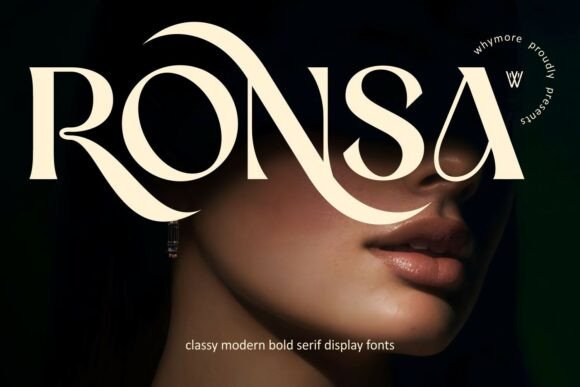
At its core, Ronsa is classified as a classy, modern bold serif font. This description points to a specific blend of attributes. Its structure is inherently bold, designed to command attention without resorting to visual noise. The font is characterized by high-contrast strokes—the significant difference between the thickest and thinnest parts of each letterform—which is a hallmark of elegant and expressive serifs. These strokes are paired with refined curves and distinctive letterforms that avoid the rigidity of purely geometric designs. The result is a typeface that feels both contemporary and timeless, balancing sharp, modern lines with an underlying sense of classical beauty.
This design philosophy means Ronsa is not merely a tool for setting text but an active element in shaping a visual message. Its stylish details and powerful presence are engineered to deliver a strong, elegant, and luxurious visual impact, making it a specialized instrument for specific design contexts.
Evaluating Ronsa for Your Project: Key Considerations
Choosing a font like Ronsa is a decision rooted in project goals and audience expectations. Here is a framework for evaluating its fit.
When Ronsa is a Strong Fit
Ronsa excels in scenarios where the primary objective is to convey sophistication, authority, and premium quality. Its design is purpose-built for high-stakes visual communication.
- Premium Branding and Logos: For brands in luxury goods, high-end real estate, bespoke services, or premium finance, Ronsa can form the cornerstone of a visual identity. Its bold structure ensures a logo is memorable and impactful, while its elegance communicates trust and exclusivity.
- Editorial and Publication Design: In the context of magazine headlines, book covers, or feature article titles, Ronsa provides a powerful entry point. It sets a sophisticated tone that can elevate the perceived value of the content within.
- Digital and Print Collateral: The font’s versatility is a key benefit. It performs consistently across different media, from a striking hero image on a website to the embossed title on a printed invitation or annual report, ensuring brand cohesion.
- Projects Requiring a Luxurious Aesthetic: If the design brief explicitly calls for a sense of luxury, opulence, or refined taste, Ronsa’s high-contrast, carefully crafted forms are directly aligned with that goal.
Scenarios Where Alternatives May Be Warranted
No typeface is universally optimal. Understanding Ronsa's limitations is as important as recognizing its strengths.
- Body Text and Long-Form Reading: Due to its high contrast and bold weight, Ronsa is not designed for extended passages of small text. Its intricate details can reduce readability at smaller sizes, leading to eye strain. For body copy, a complementary, lower-contrast serif or a clean sans-serif would be a more practical and reader-friendly choice.
- Minimalist or Ultra-Clean Aesthetics: Projects that prioritize stark minimalism, neutrality, and simplicity might find Ronsa’s personality too strong. Its distinctive character could compete with, rather than complement, an extremely pared-down design system.
- High-Volume, Information-Heavy Interfaces: In user interfaces for data-dense applications, clarity and function must take precedence. While Ronsa could be used for section headers, relying on it for all text elements would likely compromise usability.
- Budget-Constrained or Rapid-Deployment Projects: Implementing a premium, distinctive font like Ronsa requires thoughtful pairing and careful layout. It demands more design consideration than a workhorse family, which may not be feasible for all timelines or budgets.
Practical Decision-Making Insights
To determine if Ronsa aligns with your goals, consider the following practical steps:
- Define Your Brand's Core Attributes: List the top three to five adjectives you want your brand or project to embody (e.g., authoritative, elegant, innovative, classic, bold). If terms like elegant, luxurious, and bold are central, Ronsa warrants a closer look.
- Analyze Your Audience: Consider the expectations and preferences of your target demographic. An audience for luxury watches may respond differently to typography than an audience for a tech startup. Ronsa’s aesthetic resonates with audiences that appreciate tradition, craftsmanship, and premium quality.
- Test in Context: Always evaluate a font within the specific design environment. Use Ronsa to set a mockup of your logo, a headline on your homepage, or a title on a marketing brochure. Assess its performance at the intended sizes and against your chosen color palette and imagery.
- Plan Your Typographic System: A strong font choice is part of a system. Decide how Ronsa will be used—likely for headlines and display purposes—and select a complementary font for body text that ensures readability and maintains the desired tone without visual competition.
- Consider Licensing and Implementation: Ensure the font’s licensing model fits your project’s scope, whether for a single product, a full brand identity, or web embedding. Confirm technical compatibility with your design and development tools.
Ultimately, Ronsa is a specialized typographic tool. It is not a universal solution but a powerful one for the right context. Its value lies in its ability to instantly imbue a design with a sense of modern sophistication and bold elegance. By carefully evaluating your project’s goals, audience, and practical constraints, you can make an informed decision about whether this distinctive serif font is the right choice to elevate your visual communication and achieve the desired impact.