Rustline Heritage: Infusing Authentic Vintage Character into Modern Design
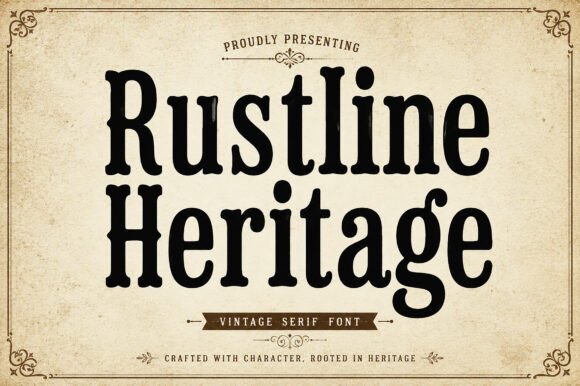
In a digital landscape saturated with sleek, minimalist sans-serifs, there is a growing hunger for designs that feel grounded, authentic, and rich with history. Whether you are a brand strategist crafting a new identity or a designer working on a promotional poster, the challenge often lies in finding a typeface that doesn't just sit on the page but tells a story. This is where Rustline Heritage enters the conversation. It is not merely a collection of letters; it is a dynamic, vintage serif font designed to echo the bold character of old Western signage, the warmth of farmhouse branding, and the indelible mark of classic Americana typography.
The Challenge of Authenticity in Modern Design
Many designers and business owners face a specific creative hurdle: how to evoke a sense of nostalgia and ruggedness without resorting to clichés or using low-quality, distressed fonts that lack versatility. The goal is often to create a "lived-in" feel—something that suggests craftsmanship and tradition. However, achieving this look requires more than just adding a grunge texture to a standard font. You need a typeface with structural integrity and stylistic roots that go deep.
Common frustrations in this area include:
- Generic Aesthetics: Many vintage-style fonts look too similar, failing to make a brand stand out in a crowded market.
- Readability Issues: Decorative fonts often sacrifice legibility for style, making them unsuitable for body text or detailed labels.
- Lack of Versatility: Some fonts work well for a header but fail when applied to different mediums, such as embroidery on apparel or embossing on packaging.
Rustline Heritage was developed to bridge the gap between decorative vintage art and functional typography. It addresses the need for a font that carries the weight of history while remaining flexible enough for contemporary production methods.
Practical Applications: Where Rustline Heritage Shines
The true value of a typeface is measured by its utility across different projects. Because of its distinct personality, Rustline Heritage is particularly effective in specific scenarios where atmosphere and branding are paramount.
1. Branding and Logo Design
For businesses centered around craft, outdoor living, or artisanal goods, the logo is the handshake. It needs to convey trust and tradition immediately. Using Rustline Heritage for a logo or wordmark instantly signals a connection to Americana. It is ideal for:
- Craft breweries and distilleries.
- BBQ restaurants and steakhouses.
- Outdoor adventure companies and camping gear.
- Artisan bakeries and farm-to-table grocers.
The font’s bold serifs and slight imperfections mimic the look of letterpress printing, suggesting that the brand values the "maker" spirit.
2. Product Packaging and Labels
When a customer picks up a jar of jam or a bottle of hot sauce, the typography guides their perception of quality. Rustline Heritage excels on packaging because it commands attention without being illegible. It works beautifully for headers on labels, distinguishing the product name from the ingredients list. For example, a coffee roaster might use Rustline Heritage for the blend name, paired with a clean sans-serif for the origin details. This contrast creates a hierarchy that looks professional yet approachable.
3. Apparel and Merchandise
The apparel industry thrives on statement graphics. Rustline Heritage is perfectly suited for T-shirts, hoodies, and tote bags. Its rugged structure holds up well to screen printing and embroidery. Designers can use it to create vintage band-style tees or retro sports logos. The font’s ability to look "worn" naturally means it often requires less post-processing to achieve that trendy, thrift-store aesthetic.
4. Editorial and Digital Content
While primarily a display font, Rustline Heritage can be used strategically in editorial design. Think of chapter titles in a biography, headers on a lifestyle blog, or title cards for a YouTube video series focused on history or travel. It sets a specific tone—perhaps a story about the Old West or a guide to restoring a vintage home—that pulls the reader into the narrative before they even read the first sentence of the body copy.
Different Approaches for Different Users
Not every designer uses a font in the same way. The versatility of Rustline Heritage allows for various creative approaches depending on the project's needs.
The Minimalist Approach:
A designer focusing on a clean, modern aesthetic might use Rustline Heritage sparingly. In this context, the font acts as a focal point. Imagine a stark white poster with a single, bold headline in Rustline Heritage. The contrast between the modern negative space and the vintage typography creates a striking visual tension that is very popular in contemporary streetwear and poster design.
The Immersive Approach:
Conversely, a project aiming for total immersion—such as a themed menu or a movie prop—might layer the font with textures. Here, Rustline Heritage can be distressed, shadowed, or paired with vintage illustrations to create a seamless "period piece" look. This approach is useful for theatrical productions, themed events, or branding that wants to feel exclusively retro.
The Corporate-Contrast Approach:
Even modern tech or finance companies occasionally want to humanize their image. By using Rustline Heritage in marketing materials or internal communications, they can evoke a sense of heritage and reliability. Pairing it with a geometric sans-serif balances the font's ruggedness, making the content feel innovative yet established.
Implementation and Best Practices
To get the most out of Rustline Heritage, consider the following implementation tips:
- Pairing is Key: Because Rustline Heritage is a serif with high character, it pairs best with neutral sans-serifs (like Helvetica, Roboto, or Open Sans) for body text. This ensures readability while letting the headers stand out.
- Spacing Matters: Vintage fonts often benefit from adjusted tracking (letter-spacing). Depending on the size, slightly increasing the space between letters can improve legibility and give the text a more airy, premium feel.
- Color and Texture: This font looks exceptional in earth tones—deep browns, forest greens, burnt oranges, and cream backgrounds. It also responds well to subtle noise textures that mimic paper grain, reinforcing the vintage vibe.
Conclusion: More Than Just a Font
Choosing a typeface is a critical decision in the design process. It sets the emotional tone and influences how the audience perceives the message. Rustline Heritage is more than just a tool for writing words; it is a vessel for storytelling. By integrating this typeface into your workflow, you are not just choosing a style—you are choosing to imbue your designs with the bold, unyielding spirit of the past. Whether you are designing a logo for a new startup or laying out a magazine spread, Rustline Heritage offers the perfect blend of nostalgia and utility, ensuring your work leaves a lasting impression.