Vintage Western: A Strategic Guide to Using This Rugged Typeface for Maximum Impact
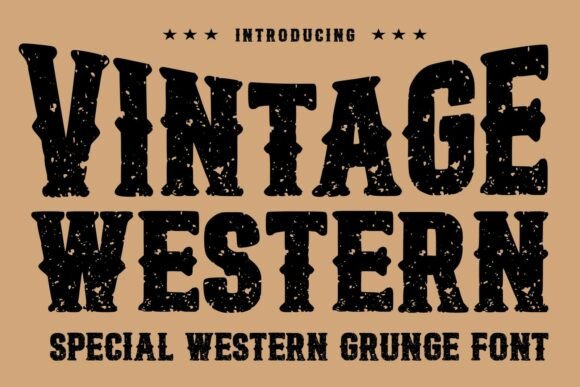
Choosing the right typeface is a foundational decision in any visual project. It’s not merely about aesthetics; it’s about communication, tone, and strategic alignment. The Vintage Western font family, with its bold slab-style letterforms and authentic distressed grunge texture, offers more than just a cowboy aesthetic. It provides a specific visual language rooted in history, resilience, and rugged individualism. Understanding when and how to deploy this powerful tool can significantly elevate your branding, marketing, and design efforts, transforming a simple message into a compelling narrative.
Understanding the Core Character of Vintage Western
Before integrating Vintage Western into a project, it’s crucial to understand its inherent personality. This is not a neutral, versatile font like Helvetica or Garamond. Its strong slab serifs and weathered texture evoke specific associations: the American frontier, saloon signage, vintage wanted posters, and a sense of timeless, unvarnished authenticity. The Vintage Western Special Grunge Display Font variant amplifies this with its distressed edges, suggesting age, use, and a story behind it. This character makes it a powerful asset for projects aiming to convey tradition, craftsmanship, durability, or a rebellious, independent spirit. Using it randomly can confuse your message; using it intentionally can anchor your entire brand narrative.
Aligning Font Choice with Strategic Goals
Your typographic selection should serve a clear objective. Ask yourself: what feeling or idea do I need to communicate? Vintage Western excels when your goals include:
- Establishing Heritage and Trust: For a craft distillery, artisanal leather goods maker, or a family-owned hardware store, this font immediately signals tradition, quality, and hands-on expertise.
- Creating a Strong, Memorable Brand Identity: In crowded markets, a distinctive typeface helps you stand out. The bold presence of Vintage Western ensures your logo or headline is not easily forgotten.
- Evoking a Specific Locale or Theme: Ideal for businesses in the Southwest, ranches, rodeos, country music venues, or any brand with a "frontier" ethos of exploration and self-reliance.
- Targeting a Niche Audience: It resonates deeply with audiences who appreciate Americana, vintage styles, outdoor lifestyles, or a no-nonsense, authentic approach.
Practical Applications and Use Cases
The versatility of Vintage Western lies in its ability to be both a headline hero and a thematic accent. Its primary strength is in high-impact, short-form text where its detailed texture and bold structure can be fully appreciated.
Branding and Logo Design
For logos, Vintage Western works best for brands where the core identity is about ruggedness, tradition, or a specific Western narrative. A brewery, a barbecue sauce company, or a custom boot maker could use it as the primary logotype. However, consider pairing it with a clean, simple sans-serif for body text to ensure readability and balance. The font’s character should complement, not overpower, your overall brand system.
Marketing Collateral and Packaging
This is where Vintage Western truly shines. Use it for:
- Poster and Flyer Headlines: For events like country fairs, vintage car shows, or live music nights, it instantly sets the scene.
- Product Packaging: On labels for hot sauces, jerky, or craft beers, it communicates authenticity and bold flavor. The distressed texture can mimic the look of a well-loved, aged product.
- T-Shirt and Merchandise Graphics: Perfect for creating statement pieces that appeal to a specific lifestyle audience.
Digital and Environmental Design
While primarily a display font, Vintage Western can be used strategically online and in physical spaces. It makes for powerful website hero sections, particularly for businesses in tourism (e.g., guest ranches) or e-commerce selling Western wear. In environmental design, it’s ideal for signage in themed restaurants, bars, or retail spaces where creating an immersive experience is key.
Strategic Implementation: Beyond the Aesthetic
Simply liking the look of a font is not a strategy. Thoughtful implementation involves considering context, audience, and long-term brand cohesion.
Planning and Pairing
Never use Vintage Western in isolation. Develop a typographic hierarchy. Pair it with a highly legible, neutral font for longer paragraphs of text. A classic serif or a clean sans-serif can provide necessary contrast and ensure your message is communicated clearly without visual fatigue. Test your pairings at various sizes to ensure harmony.
Considering Your Audience and Context
Who are you trying to reach? While Vintage Western has a strong appeal, it may not resonate with every demographic. For a fintech app or a luxury skincare line, it would likely be a mismatch. Conduct audience research or A/B test marketing materials to gauge reception. The context of use is equally important. A distressed grunge texture might be perfect for a band poster but could feel unprofessional on a formal business proposal or a medical brochure.
Avoiding Common Pitfalls
The main risk of using a font like Vintage Western without clear intention is creating brand dissonance. If your company’s values are innovation, sleekness, and modernity, this typeface will send a conflicting message. Overuse can also dilute its impact. Using it for every headline, subheading, and button on a website will make the design feel monotonous and overwhelming. Reserve it for key moments where its unique character can make the strongest statement.
Long-Term Value and Brand Consistency
A typeface is a long-term asset. Choosing Vintage Western means committing to a specific visual direction. Ensure it aligns with your brand’s five-year vision, not just a current trend. Document its use in brand guidelines—specify exact weights, sizes, color applications, and approved pairings. This consistency builds recognition and trust over time. When used intentionally, Vintage Western becomes more than a font; it becomes a cornerstone of your brand’s story, communicating values of authenticity, strength, and timeless appeal that can foster a loyal connection with your target audience.