Designing with Impact: How to Use the Oops Comic Font for Maximum Engagement
In the crowded digital landscape, capturing and retaining attention is the primary challenge for any designer or content creator. Whether you are developing a brand identity, launching a marketing campaign, or creating educational materials, the typography you choose plays a pivotal role in how your message is perceived. While minimalist sans-serifs have dominated the web for years, there is a growing shift toward personality-driven design. Enter Oops Comic, a cartoon-style display font that offers a refreshing departure from the mundane. This typeface is not merely a set of letters; it is a tool for injecting energy, emotion, and distinctiveness into your projects.
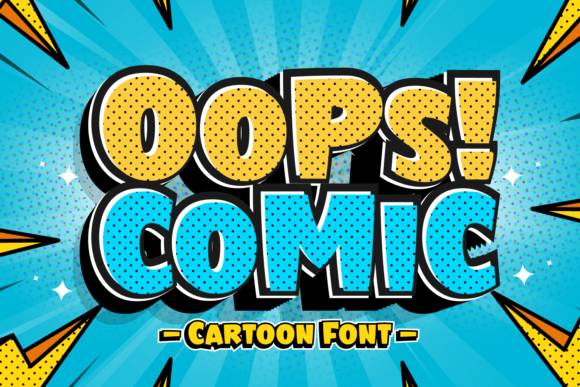
Oops Comic is characterized by its thick characters, rounded edges, and an inherently playful aesthetic. It is designed specifically to be eye-catching, making it an excellent choice for headlines, logos, and any design element that needs to stand out from the background. However, using a display font effectively requires more than just installation. It requires an understanding of context, audience, and design balance. This article explores how you can leverage the unique qualities of Oops Comic to solve common design problems and achieve professional, engaging results.
The Challenge of Standing Out in a Saturated Market
One of the most common frustrations for designers is the "sea of sameness." When every website uses the same neutral fonts, brand recognition becomes difficult to establish. Standard typography can often feel cold, corporate, or impersonal, which can be a barrier when trying to connect with an audience on an emotional level.
Many creators struggle to find a typeface that conveys fun, creativity, or approachability without looking unprofessional. The goal is often to appear friendly and accessible, yet many "fun" fonts sacrifice legibility for style. This creates a specific design dilemma: how do you maintain a lighthearted, cartoon-like vibe while ensuring the text remains readable and functional?
This is where the specific design of Oops Comic addresses a critical need. It bridges the gap between playful aesthetics and structural integrity. The font’s thick weight ensures visibility, while its distinct character shapes prevent it from blending into generic backgrounds. By utilizing Oops Comic, designers can bypass the monotony of standard web fonts and immediately establish a unique visual voice.
Practical Applications for Oops Comic
Understanding where to use a specific typeface is just as important as the font itself. Because Oops Comic is a display font, it is engineered for impact rather than long-form body text. Its strength lies in its ability to grab attention instantly. Here are several practical applications where this font excels.
1. Branding and Logo Design
For businesses targeting younger demographics or those in the entertainment, food, or creative industries, a logo sets the tone for the entire customer experience. Oops Comic offers a bold, confident look that suggests a brand is approachable and energetic. It works particularly well for children’s education platforms, gaming channels, or casual dining establishments. The thickness of the letters ensures that the brand name remains legible even at smaller sizes, such as on a mobile app icon or a social media avatar.
2. Marketing Headers and Call-to-Actions
Marketing relies heavily on hierarchy. You need the viewer to read the headline first. Using Oops Comic for H1 or H2 tags creates a natural focal point that draws the eye. Furthermore, Call-to-Action (CTA) buttons benefit significantly from bold typography. A button labeled "Get Started" or "Learn More" in Oops Comic feels more inviting and less aggressive than the same text in a sharp, corporate serif. This can lead to higher click-through rates by reducing the friction often associated with sales language.
3. Educational Materials and Presentations
Corporate presentations and educational materials often suffer from being dry and difficult to digest. Incorporating Oops Comic into slide headers or key statistics can break the monotony. It signals to the audience that the content is meant to be engaging rather than strictly formal. For teachers and workshop facilitators, this font can make learning materials feel more accessible and less intimidating to students.
Different Approaches for Different Audiences
Not every user will approach Oops Comic in the same way. The context of your project dictates how you should implement the typeface to achieve the best results.
The Casual Creator
For independent creators, streamers, or bloggers, the goal is often personality. If you are designing thumbnails for YouTube videos or graphics for a Discord server, you can use Oops Comic with vibrant colors and drop shadows. In this context, the "cartoon" aspect of the font is the main attraction. You can pair it with bright, contrasting backgrounds to create a high-energy aesthetic that reflects a fun-loving personality.
The Professional Marketer
For professional marketers working within a corporate environment, the approach must be more measured. Oops Comic should be used as an accent rather than the dominant voice. A marketing agency might use it for a specific campaign targeting a younger demographic, while keeping the body text in a clean sans-serif like Roboto or Open Sans. This ensures the design feels modern and playful without sacrificing the credibility of the brand. The key here is balance; let Oops Comic handle the emotion, and let the secondary font handle the information.
The Product Designer
User Interface (UI) designers face unique challenges with legibility. While Oops Comic is great for splash screens or loading animations, it should be used sparingly in navigation menus. A product designer might use this font for the onboarding screens of a mobile app to make the setup process feel friendly and encouraging. Once the user is inside the app, the font can transition to a more neutral typeface for data entry and reading, ensuring the interface remains functional.
Design Considerations and Best Practices
To get the most out of Oops Comic, there are a few technical and aesthetic considerations to keep in mind. These tips will help you avoid common pitfalls associated with display fonts.
- Contrast is Key: Because Oops Comic has thick characters, it requires sufficient contrast against the background. Avoid placing it over busy, high-resolution images without a semi-transparent overlay or a drop shadow. High contrast ensures the text remains the focal point.
- Kerning and Spacing: Display fonts often have wider natural spacing than standard text fonts. Check the kerning (space between individual letters) to ensure the text looks cohesive. Sometimes, tightening the letter spacing slightly can make a headline look more polished.
- Color Psychology: The playful nature of Oops Comic pairs well with saturated, warm colors like oranges, yellows, and teals. However, it can also create a striking contrast when used in white or bright yellow against a dark, navy background. Experiment with color combinations to evoke the specific emotion you want your audience to feel.
- Avoid Overuse: The most common mistake with novelty fonts is using them everywhere. If Oops Comic is used for the headline, the sub-header, the body text, and the footer, the design will feel cluttered and overwhelming. Use it strategically to highlight specific information.
Implementation: From Concept to Creation
The journey to a standout design begins with a willingness to experiment. If you have been relying on the same set of fonts for years, integrating a typeface like Oops Comic can feel like a risk. However, in design, calculated risks often yield the highest rewards.
Start small. Try replacing the font in your next social media graphic with Oops Comic. Observe how it changes the tone of the message. Does it make the post feel more shareable? Does it align better with the content of the image? By testing the font in low-stakes environments, you can build confidence in its application.
Ultimately, typography is about communication. The goal of using Oops Comic is not just to be different, but to communicate more effectively with a specific audience. It is a tool for saying, "We are approachable, we are creative, and we are here to have fun." When used with intention and an understanding of design principles, this cartoon-style font can transform a standard project into a memorable visual experience. Try Oops Comic in your next creative project, and you will likely fall in love with the energy and life it brings to your work.