Cenura: Evaluating a Modern Geometric Sans-Serif for Sophisticated Branding
In the crowded landscape of contemporary typography, selecting a font that conveys innovation without sacrificing clarity is a critical design decision. Among the options available to designers and brand strategists is Cenura, a typeface that positions itself at the intersection of mathematical precision and minimalist style. Understanding its core characteristics is the first step in determining whether it aligns with a project's specific goals for visual communication.
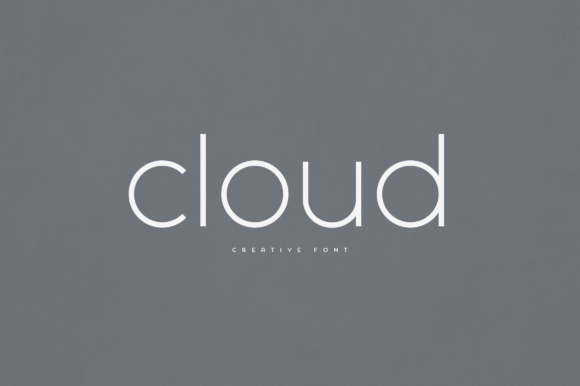
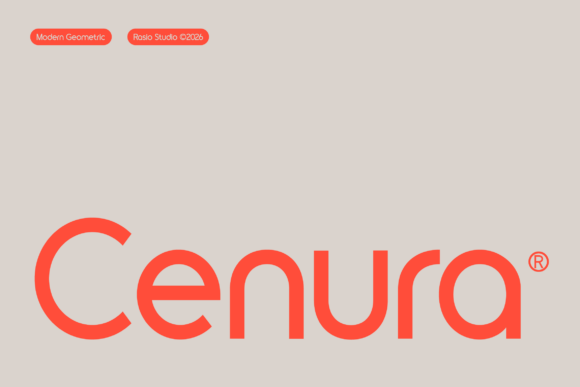
Cenura is categorized as a modern geometric sans-serif, a family of typefaces built on simple, clean shapes like circles and squares. What distinguishes Cenura within this category is its specific treatment of form and space. The typeface features sweeping, fluid circular forms that provide a sense of openness and modernity, while simultaneously employing clean, hard-vertical stems that offer stability and structure. This combination aims to create a unique visual rhythm that is both dynamic and controlled.
Analyzing the Design DNA of Cenura
The distinctiveness of Cenura lies in several key design choices. Its low-profile, uniform line weight is a defining trait. Unlike typefaces that use high contrast between thick and thin strokes, Cenura maintains a consistent thickness throughout each character. This creates a highly stabilized visual texture, which can be particularly effective in digital interfaces and solid color applications where even coloration is desirable. The result is a text block that feels cohesive and calm, rather than dynamic or traditional.
Another critical element is its approach to negative space and kerning. Cenura is engineered with what its creators describe as "perfect optical kerning." This means the spacing between individual letters has been meticulously adjusted to ensure visual harmony and readability. When set over solid color fields or within minimalist layouts—which often have little other visual information to aid readability—this intelligent use of space becomes a significant functional advantage. The letters "breathe" without feeling sparse, supporting a premium aesthetic where every detail is considered.
Practical Applications: Where Cenura Excels
When considering a typeface, it's essential to move beyond abstract qualities and examine real-world application. Cenura's design philosophy suggests it is particularly well-suited for specific contexts where its strengths can be leveraged effectively.
- Technology and Startup Branding: The geometric foundation and clean lines of Cenura resonate with the language of tech and innovation. It can project an image of clarity, efficiency, and forward-thinking design for app interfaces, software logos, and startup collateral. Its stability helps build trust, while its fluidity suggests adaptability.
- Architectural and Design Firms: The mathematical precision inherent in Cenura's construction mirrors the principles of architectural design. For firm signage, project portfolios, or presentation materials, it can communicate a sense of structure, balance, and meticulous planning that aligns with the profession's values.
- Corporate Stationery and Luxury Branding: The minimalist sophistication and uniform weight make Cenura a strong candidate for high-end corporate identities. On business cards, letterheads, and annual reports, it avoids distraction and allows the quality of materials and other design elements to take precedence, embodying a "quiet luxury" aesthetic.
- Industrial Product Labeling: In contexts where legibility at a distance and on varied surfaces is crucial, Cenura's clear letterforms and strong vertical stems perform well. The lack of decorative serifs ensures information remains accessible, supporting a functional, modern industrial design language.
Comparing Cenura to Other Typographic Approaches
No typeface exists in a vacuum. To make an informed choice, it's helpful to understand where Cenura sits relative to other common categories and styles. Compared to a traditional grotesque sans-serif (like those inspired by early 20th-century models), Cenura is generally more constructed and geometric, with less idiosyncrasy in its letterforms. It trades some of the historical character and subtle humanist touches for a more contemporary, engineered feel.
When placed against a pure geometric sans-serif, Cenura may appear slightly less rigid. Its "sweeping, fluid circular tracking" suggests a softening of pure geometric shapes, aiming for a balance between strict geometry and organic flow. This could make it feel more approachable than typefaces that adhere dogmatically to perfect circles and squares.
A key comparison also exists with humanist sans-serifs, which are designed to mimic the flow of handwriting and often feature more modulation in stroke width. Cenura's uniform weight and geometric base place it firmly in opposition to this style. A humanist sans-serif might be chosen for a brand seeking warmth, tradition, or a more personal voice, whereas Cenura would be selected for projects prioritizing neutrality, modernity, and structural clarity.
Evaluating Strengths and Potential Tradeoffs
Every design tool involves tradeoffs. Cenura's strengths are directly linked to its specific design parameters, and these same parameters may present limitations in other scenarios.
Strengths:
- Visual Consistency: The uniform weight creates an exceptionally even color on the page or screen, which is aesthetically pleasing in minimalist layouts and enhances readability in digital environments.
- Modern Aesthetic: It effectively communicates contemporary values like innovation, efficiency, and clean design.
- Excellent for Display Use: Its design makes it highly effective for headlines, logos, and signage where its unique character can be fully appreciated.
- Optimized Spacing: The careful kerning reduces the need for manual adjustment, saving time and ensuring professional results in solid color applications.
Potential Tradeoffs and Considerations:
- Extended Reading: While highly legible, typefaces with very uniform weights can sometimes be less comfortable for long-form body text compared to those with more subtle stroke modulation, which can guide the eye along a line.
- Expressive Range: Its strong geometric and minimalist identity may not be the best fit for projects requiring a playful, vintage, rustic, or highly expressive typographic voice. The very consistency that is a strength in one context can be a limitation in another.
- Brand Differentiation: As minimalist and geometric sans-serifs are popular in modern branding, using Cenura requires thoughtful implementation in color, layout, and supporting graphics to avoid blending into a sea of similar aesthetics.
Making the Decision: Is Cenura the Right Choice?
Determining if Cenura is the appropriate typeface for a project depends on a clear alignment between its capabilities and the project's communication goals. It is likely a strong candidate when the primary objectives are to convey modernity, precision, and clean sophistication. It performs well in environments where visual stability and minimalist elegance are paramount, such as tech branding, architectural portfolios, or luxury corporate materials.
Conversely, you may need to explore other options if the brand personality calls for warmth, tradition, or high energy. If the primary application is lengthy textual content like books or articles, a typeface with more nuanced stroke variation and optimized for sustained reading might be more suitable. Similarly, if the goal is to create a highly unique or disruptive brand identity, Cenura's clean and "correct" design might need to be paired with other bold visual elements to achieve the desired distinction.
Ultimately, evaluating Cenura involves looking beyond its sleek appearance to consider its underlying structure. Its blend of circular fluidity and vertical stability, combined with its uniform weight and intelligent spacing, makes it a powerful tool for specific, modern design challenges. By understanding its place within the typographic spectrum and honestly assessing project needs, designers can make a more informed choice about whether this contemporary geometric sans-serif is the right foundation for their visual message.