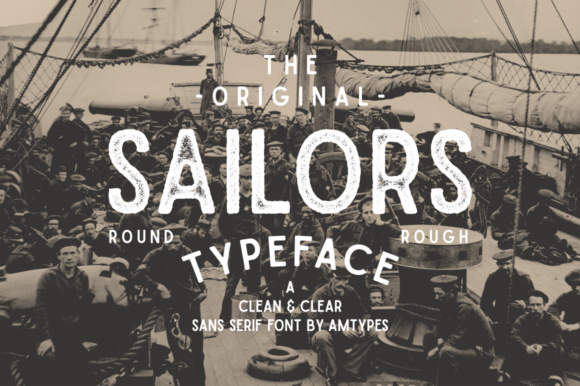
Sailors Font: A Clean, Retro Sans Serif for Every Creator
Understanding the Sailors Typeface
Finding the right font can feel like searching for a needle in a haystack. You need something that looks professional, conveys a specific mood, and works across different formats without breaking the budget or your patience. This is where Sailors enters the conversation. It is a sans serif typeface designed to bridge the gap between modern cleanliness and vintage nostalgia. Unlike complex serif fonts that can sometimes feel dated or overly formal, Sailors offers a structured yet approachable aesthetic.
The font family includes five distinct styles: Regular, Rough, Condensed, Slant, and Condensed Slant. This variety is the font’s strongest asset. The "Regular" style provides a standard, clean look suitable for general branding. However, the "Rough" style introduces texture, instantly giving your text a worn, vintage appearance often seen in old signage or retro apparel. The "Condensed" styles allow for fitting text into tighter spaces, which is essential for packaging and headlines. Together, these styles make Sailors a versatile tool for anyone looking to create designs with a retro look and feel without spending hours on manual editing.
Why Different Audiences Gravitate Toward Sailors
The utility of a font depends entirely on who is using it and for what purpose. A tool that works for a freelance designer might not be the first choice for a corporate educator. However, the specific characteristics of Sailors allow it to adapt to various needs, from commercial branding to personal hobby projects.
For Graphic Designers and Branding Specialists
Professional designers often evaluate typefaces based on flexibility and licensing. When working on a branding project, a designer needs a font family that can handle hierarchy—meaning it needs to look good as a massive headline and also function in subheadings. Sailors addresses this by offering the Condensed and Regular variations. A designer might use the Condensed Slant for dynamic headers on a website to suggest movement or energy, while using the Regular style for short, punchy descriptions.
Furthermore, the "Rough" texture is a massive time-saver. In the past, designers had to apply overlay textures or distress filters to clean fonts to achieve a vintage look. With Sailors Rough, the character is built directly into the font file. This ensures consistency across different software programs and print formats, which is a high priority for professionals concerned with reliability.
Entrepreneurs and Small Business Owners
For the small business owner—perhaps someone running a coffee roastery, a craft brewery, or an online clothing store—aesthetics are directly tied to revenue. The "vintage" look is incredibly popular in these sectors because it suggests authenticity, craftsmanship, and history. However, hiring a designer for every single label or social media post is often cost-prohibitive.
Sailors offers a practical solution. Because it is easy to read and install, an entrepreneur can use it to create their own marketing materials. The font helps maintain a high-quality visual identity across labeling and branding. For example, a small business owner can use the Regular style for their logo and the Rough style for the packaging of a limited edition product. This allows them to keep their visual language cohesive while adapting to different product contexts.
Bloggers, Content Creators, and Social Media Managers
In the fast-paced world of content creation, speed is a priority. Bloggers and social media managers need to produce graphics quickly. A font like Sailors is valuable here because of its legibility. Sans serif fonts are generally preferred for digital screens because they render clearly at small sizes.
A lifestyle blogger might use Sailors for Pinterest graphics or Instagram quote cards. The Slant style adds a touch of personality and emphasis without being distracting. For a YouTuber creating thumbnails, the Bold or Condensed styles stand out well against busy video backgrounds. The goal for this audience is often "visual impact with minimal effort," and a versatile typeface reduces the need to switch between multiple font families to find the right fit.
Evaluating the Practical Benefits
When deciding whether to incorporate a new typeface into your toolkit, it helps to look at specific priorities such as ease of use, creative flexibility, and presentation quality.
Ease of Use and Installation
One of the standout features of Sailors is its accessibility for beginners. You do not need to be a typography expert to make it look good. The font is designed to be visually appealing right out of the box. For a hobbyist creating a party invitation or a teacher making classroom materials, this "plug-and-play" nature is essential. The transition from a standard system font to Sailors can elevate a design "within seconds," as the prompt suggests, because the style is inherent to the font rather than dependent on complex layout skills.
Creative Flexibility Through Texture
The inclusion of the Rough style is a significant differentiator. In design, texture adds depth. A flat, clean font can sometimes feel sterile or generic. By switching to the Rough version, users can instantly change the emotional tone of their project from "corporate" to "artisanal." This is particularly useful for:
- Vintage Designs: Recreating the look of old western posters or mid-century advertisements.
- Apparel Mockups: Designing T-shirt graphics where a distressed look is trendy.
- Event Branding: Creating menus or signage for rustic weddings or themed parties.
Presentation and Professionalism
Using a dedicated typeface like Sailors signals care and attention to detail. For freelancers pitching to clients, the font choice can influence how professional the proposal looks. A clean, well-designed sans serif suggests modernity. A font that includes specific branding styles (like condensed and slant variations) shows that the creator understands visual hierarchy. It helps in creating a "high quality design" because it removes the amateurish look often associated with default system fonts like Arial or Times New Roman.
Matching Sailors to Your Project
To determine if Sailors is the right fit, consider the core narrative of your project. Are you trying to tell a story of history, ruggedness, or clean efficiency?
If you are an educator creating worksheets, the Regular style offers excellent readability for students. If you are a marketer designing a flyer for a flash sale, the Condensed style allows you to fit more information into a small space while maintaining urgency. If you are a hobbyist scrapbooking digital photos, the Rough style can add a tactile feel to your memories.
Ultimately, the value of Sailors lies in its ability to provide a cohesive aesthetic toolkit. It is not just a single font; it is a family of styles that work together. Whether you are building a brand from scratch or refreshing an existing one, having access to these variations ensures that you can adapt to different contexts—be it a website header, a product label, or a social media post—without losing your visual identity. It strikes a balance between the nostalgia of the past and the clean requirements of modern digital design.