The Art of Typography: How Samuel Oscar Redefines Elegance in Digital Design
In the vast universe of digital design, the choice of typography often serves as the silent narrator of a project's story. While bold sans-serifs command attention for headlines and clean serifs ensure readability in body copy, the realm of script fonts holds a unique power to evoke emotion, personality, and sophistication. Among the myriad of options available to designers today, Samuel Oscar has emerged as a distinct voice. Created by the innovative Kong Font Studio, this stylish and dainty script font is not merely a collection of letters; it is a design tool that bridges the gap between classic calligraphy and modern digital aesthetics.
Understanding the utility of a font like Samuel Oscar requires looking beyond the surface level of "pretty letters." It requires an appreciation for the technical nuances of typography and the psychological impact of visual communication. For professionals, educators, and hobbyists alike, the integration of a high-quality script font can be the catalyst that transforms a standard project into a memorable piece of art. This article explores the characteristics, applications, and strategic value of incorporating Samuel Oscar into your creative workflow.
The Anatomy of a Dainty Script: Visual Characteristics
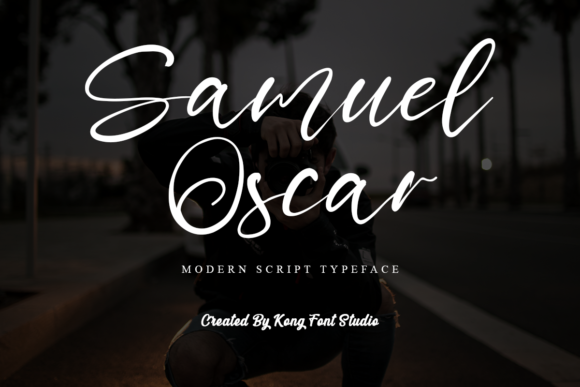
To truly appreciate Samuel Oscar, one must analyze its structural composition. The font is categorized as a "dainty" script, a descriptor that suggests a sense of delicacy, lightness, and intricate detail. Unlike heavy, monolithic typefaces that dominate the page, Samuel Oscar utilizes thin strokes and fluid connections between characters to create a sense of airiness.
The defining feature of this font is its ligature-rich design. In typography, ligatures are specific substitutions made when certain characters appear together. For example, in many standard fonts, the letters "f" and "i" might collide awkwardly. A script font like Samuel Oscar resolves this by creating a custom, flowing connection that mimics natural handwriting. This attention to detail is what separates amateur font usage from professional design. The swashes and tails that accompany the letters add a layer of flourish that is essential for decorative purposes, yet the core structure remains legible—a critical balance in type design.
Furthermore, the "stylish" aspect of Samuel Oscar refers to its contemporary interpretation of classic cursive. While it retains the warmth of hand-lettering, it avoids the illegibility often associated with overly ornate calligraphy. This makes it a versatile asset, capable of functioning in both digital and print environments without losing its inherent charm.
Strategic Applications: From Branding to Watermarks
The true test of a font's quality lies in its adaptability across different media. Samuel Oscar was designed with a broad scope of application in mind, catering to the needs of business owners, content creators, and photographers. Its utility is best understood by examining how it functions within specific project types.
Logo Design and Brand Identity
For businesses aiming to project an image of elegance, luxury, or boutique craftsmanship, the logo is the frontline of visual communication. Samuel Oscar excels in this arena because it offers a personalized touch. When a consumer sees a logo rendered in a high-quality script, it subconsciously signals that the brand values individuality and attention to detail. This is particularly effective for industries such as wedding planning, high-end cosmetics, artisanal goods, and lifestyle coaching. The font acts as a visual shorthand for "premium quality."
Packaging and Labeling
In the retail space, shelf appeal is paramount. A product label has only a few seconds to capture a shopper's attention. Utilizing Samuel Oscar on packaging can differentiate a product from its competitors who rely on generic, system-default fonts. Whether it is the front label of a jam jar or the branding on a scented candle, the dainty nature of the font allows it to coexist with necessary regulatory text (ingredients, instructions) without creating visual clutter. It adds a layer of tactile luxury to the visual experience.
Digital Presence and Watermarking
For photographers and digital artists, protecting intellectual property is a constant concern. A watermark must be visible enough to deter theft but subtle enough not to ruin the artwork it protects. Samuel Oscar provides an ideal solution. Its script style allows it to blend seamlessly into the composition of a photograph—be it a landscape, a portrait, or a food photograph—acting as a signature rather than a distraction. Similarly, for social media influencers and bloggers, this font can be used to create consistent, branded headers for Instagram stories or Pinterest pins, reinforcing brand recognition.
Technical Considerations and Workflow Integration
For the uninitiated, downloading a font is only the first step. Integrating Samuel Oscar into a professional workflow requires an understanding of typography best practices. One of the primary considerations is pairing. Because Samuel Oscar is a script font with high visual personality, it rarely works well when set alongside another decorative font. The "busyness" of two competing styles can create visual noise that confuses the viewer.
The most effective strategy is to pair Samuel Oscar with a neutral, geometric sans-serif font. Fonts like Montserrat, Lato, or Roboto provide a clean, stable foundation that allows the script font to shine. For instance, a wedding invitation might use Samuel Oscar for the names of the couple (the focal point) and a simple sans-serif for the date, time, and location (the supporting information). This hierarchy guides the reader's eye naturally from the most important element to the details.
Another technical aspect to consider is legibility at scale. While Samuel Oscar is designed to be legible, all script fonts have a threshold. If used for body text in a long-form document or at very small sizes on a screen, the intricate details of the font may become muddy or difficult to read. Therefore, it is best reserved for headlines, subheadings, pull quotes, or standalone artistic elements where it can be displayed at a size that allows its details to be fully appreciated.
The Role of Typography in User Experience (UX)
In the context of web design and user experience, typography is a functional element, not just a decorative one. However, "functional" does not have to mean "boring." The use of fonts like Samuel Oscar plays a specific role in the emotional design of a website.
Emotional design is the practice of creating interfaces that elicit specific emotional responses from users. When a user visits a website for a floral shop, a bakery, or a luxury resort, they expect a certain aesthetic experience. Cold, industrial typography might feel out of place and create cognitive dissonance. By using a warm, stylish script font for key touchpoints—such as the "Welcome" message or the "About Us" section—designers can create an atmosphere of hospitality and warmth. This improves the perceived value of the site and can indirectly impact conversion rates by building trust and affinity with the brand.
However, UX designers must exercise caution. Accessibility guidelines recommend that body text should have a contrast ratio of at least 4.5:1 and be of sufficient size. As a script font, Samuel Oscar should be used sparingly in functional UI elements (like navigation menus or buttons) to ensure that all users, including those with visual impairments, can navigate the site effectively.
Comparison: Samuel Oscar vs. Standard Script Fonts
The market is saturated with script fonts, ranging from free options found in system libraries to premium custom typefaces. So, what distinguishes Samuel Oscar from the competition?
Many free script fonts suffer from one of two problems: poor kerning or lack of alternates. Kerning refers to the spacing between individual letters. In poorly made fonts, letters may overlap awkwardly or sit too far apart, breaking the illusion of cursive writing. Samuel Oscar, crafted by Kong Font Studio, is engineered with professional kerning, ensuring smooth flow.
Additionally, the availability of alternates and ligatures is a major differentiator. Standard fonts often offer only one version of a capital "A" or lowercase "e." Premium fonts like Samuel Oscar often include multiple variations of these characters. This allows designers to customize the text so that it truly looks hand-lettered, avoiding the repetitive look that plagues lower-quality digital scripts. This level of customization is invaluable for logo design, where uniqueness is the primary goal.
Practical Implementation: Tips for Creators
For educators teaching design principles or hobbyists looking to improve their craft, working with Samuel Oscar offers a practical lesson in typographic contrast. Here are a few implementation tips for those looking to utilize this font effectively:
- Color Palette: Dainty scripts often pair best with soft, pastel color palettes or high-contrast monochromes (black and white). Avoid neon or overly saturated colors that can clash with the elegance of the font.
- Backgrounds: Use Samuel Oscar on clean backgrounds. Placing a thin script over a busy photograph without a background overlay can render it unreadable. A semi-transparent box or a blurred background helps the text pop.
- Letter Spacing: While the font has its own built-in spacing, slight adjustments to tracking (the overall space between letters) can change the mood. Increasing the tracking can give the font a more modern, airy feel, while tightening it creates a more traditional look.
- Context Matters: Be mindful of the message. A dainty script like Samuel Oscar is perfect for "Congratulations," "Thank You," or "Luxury Collection." It is less effective for aggressive calls to action like "Buy Now" or "Urgent Sale," where a bold sans-serif is psychologically more appropriate.
The Future of Decorative Typography
As digital interfaces become increasingly standardized, there is a growing counter-movement toward personalization and human touch. Users crave authenticity. Fonts like Samuel Oscar satisfy this craving by mimicking the imperfections and flow of human handwriting. In an era dominated by AI-generated content and rigid geometric layouts, the organic nature of a script font serves as a reminder of the human element behind the design.
For business owners and creators, the choice to use a specific font is a choice about brand voice. Selecting Samuel Oscar is a declaration that the brand values aesthetics, attention to detail, and a touch of romanticism. It is a versatile tool that, when used with technical proficiency and artistic intent, can elevate a project from the mundane to the magnificent.
Whether you are designing a logo for a new startup, labeling a batch of homemade preserves, or adding a signature to your photographic portfolio, the principles remain the same. Typography is the clothing that ideas wear. By choosing a garment that fits well—stylish, dainty, and expertly crafted—you ensure that your message is not only seen but felt. Samuel Oscar represents the pinnacle of this philosophy, offering a blend of utility and beauty that stands the test of time.