Rediscovering Elegance: How Typographer Textur Modernizes the Blackletter Tradition
In the vast and intricate world of typography, few styles carry as much historical weight and visual drama as the blackletter. For centuries, these dense, angular scripts defined the look of sacred texts, royal proclamations, and early printed books. They evoke a sense of history, formality, and gravity. However, in modern design, the traditional blackletter can often feel too ornate, too difficult to read, or simply too archaic for contemporary use. This is precisely where innovation becomes necessary. Enter Typographer Textur, a typeface that serves as a superb deviation from the classic blackletter mold. Created by the talented type designer Peter Wiegel, this font offers designers and creatives a way to harness the "golden touch" of gothic elegance without sacrificing modern clarity.
Understanding the Roots: What is Blackletter?
To fully appreciate what Typographer Textur achieves, one must first understand its lineage. Blackletter, also known as Gothic script or Old English, originated in the twelfth century. It was the dominant style of writing in Western Europe for hundreds of years. The style is characterized by its dense, vertical strokes and angular forms, which were originally designed to mimic the way scribes wrote with a flat-nibbed pen held at a specific angle.
While blackletter fonts are undeniably beautiful, they present specific challenges in modern design:
- Readability: The highly decorative nature of the letterforms makes extended reading difficult for modern eyes accustomed to Roman-style serif and sans-serif fonts.
- Complexity: Traditional blackletters often feature intricate ligatures and swashes that can get lost in smaller sizes or lower resolution screens.
- Cultural Connotations: Because of their heavy use in the past, they can sometimes feel stuffy, overly formal, or associated with specific historical periods that may not fit a modern brand message.
Typographer Textur addresses these issues directly. It is not a mere reproduction of a medieval manuscript; it is a reimagining. By softening the harshest edges and streamlining the complex structures, Peter Wiegel has created a bridge between the past and the present.
The "Golden Touch": Aesthetic Appeal and Distinct Appearance
The prompt to give your work the "golden touch" is not just marketing fluff; it speaks to the specific visual weight this font carries. When you apply Typographer Textur to a design, you are instantly imbuing it with a sense of prestige and distinction. This is particularly useful in branding, logo design, and editorial headers where first impressions are paramount.
Visual Texture and Atmosphere
Unlike a standard serif font that might feel too corporate or a sans-serif that feels too clinical, Typographer Textur offers atmosphere. It has a textured quality that suggests craftsmanship. Imagine using this font for the header of a craft brewery, a luxury fashion label, or a historical documentary. It tells the viewer that the content within is curated, high-quality, and worthy of their attention.
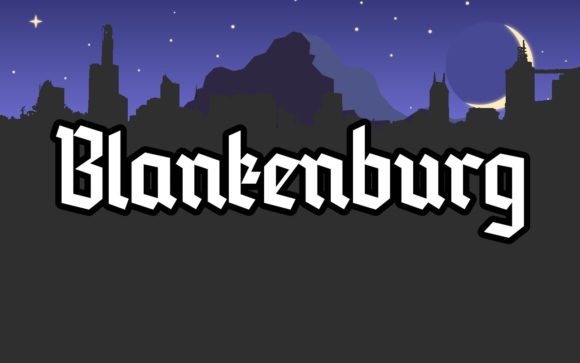
The "deviation" mentioned in its description is key here. It retains the vertical rhythm and the pointed arches of traditional Textura Quadrata (the most common form of blackletter), but it cleans up the anatomy of the letters. This results in a typeface that looks sharp and sophisticated rather than muddy or cluttered.
Practical Relevance in Modern Design
Typography is not just about picking a font that looks cool; it is about communication. A font must fit the context of the message. Typographer Textur finds its home in several specific areas of modern creative work.
1. Branding and Logo Design
For businesses that want to project an image of heritage, tradition, or artisanal quality, Typographer Textur is an excellent choice. Consider a high-end barbershop or a vintage clothing store. Using a standard Helvetica wordmark might underplay the unique atmosphere they are trying to build. Typographer Textur, however, acts as a visual shorthand for "classic style." It gives the brand an instant backstory, suggesting roots and reliability.
2. Editorial and Publishing
In the world of magazines and book covers, the title is the hook. A thriller novel or a fantasy epic benefits greatly from the dramatic flair of a blackletter-inspired font. Typographer Textur provides the necessary drama for a book cover to stand out on a shelf, yet it remains legible enough that the title can be read clearly from a distance.
3. Event Stationery
Wedding invitations, gala programs, and award certificates often require a script that feels ceremonial. Typographer Textur fits this niche perfectly. It mimics the feeling of calligraphy or letterpress printing, adding a tactile, luxurious feel to digital or printed stationery.
Bridging the Gap: Readability vs. Style
One of the most common misunderstandings regarding blackletter fonts is that they are completely unreadable. While this is true for many authentic medieval scripts, Typographer Textur challenges this assumption.
Peter Wiegel designed this font with modern usage in mind. While it is still recommended primarily for display use—meaning headlines, titles, and logos rather than body text—it possesses a clarity that many of its cousins lack. The negative space within the letters is managed carefully, preventing the text from becoming a dark, undecipherable blob.
However, it is important to respect the font's nature. You would not use Typographer Textur to write a technical manual or a long-form blog post. The eye fatigue would be too high. Instead, use it as a "spice." Use it to accentuate key points. Let it draw the eye to the most important words on the page, then switch to a clean sans-serif or serif font for the supporting information.
The Creator: Peter Wiegel and the Open Source Community
It is worth noting the creator of this typeface, Peter Wiegel. Wiegel is a prolific figure in the type design community, known for creating high-quality fonts that are often released under open licenses. His work is a testament to the idea that good design should be accessible.
Typographer Textur is part of a broader movement where designers are reviving historical typefaces and adapting them for the digital age. By downloading and using fonts from creators like Wiegel, designers are participating in a cycle of creativity that honors the history of typography while pushing it forward. It allows small businesses and independent creators to access professional-grade typography without the prohibitive costs often associated with premium font licensing.
How to Use Typographer Textur Effectively
If you are a designer or a content creator looking to integrate Typographer Textur into your workflow, here are some practical tips to ensure you get that "golden touch" without compromising your design's integrity.
Pairing with Simplicity
Because Typographer Textur is visually complex and high-contrast, it demands a simple partner. Avoid pairing it with other decorative fonts or busy scripts. Instead, pair it with a geometric sans-serif (like Futura or Montserrat) or a clean serif (like Garamond). The contrast between the ornate header and the clean body text will create a pleasing visual hierarchy.
Spacing and Tracking
Blackletter fonts are naturally dense. They have a heavy visual weight. To prevent headers from looking cramped, consider increasing the tracking (the space between letters) slightly. This allows the intricate details of each letterform to breathe, making the text feel more open and airy, and significantly improving legibility.
Color and Background
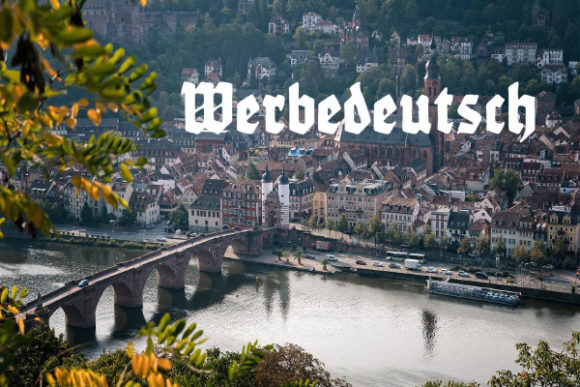
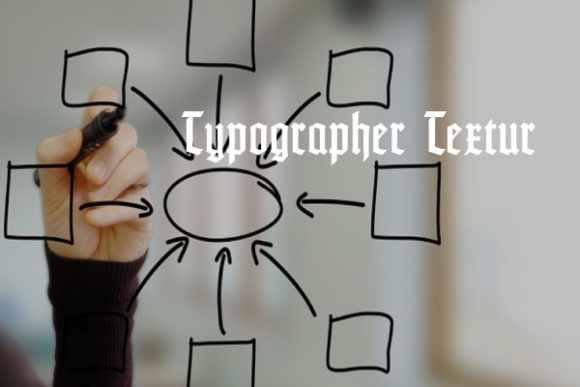
Typographer Textur works best with high contrast. White text on a black background, or deep black text on a cream background, allows the sharp edges and fine details of the font to shine. Avoid using it on busy photographic backgrounds where the letterforms might get lost in the visual noise of the image.
Clarifying Common Misconceptions
There is a tendency to lump all "old-looking" fonts into one category. It is crucial to distinguish Typographer Textur from standard Old English or Fraktur fonts, as they have different structural rules.
- It is not just for "Goth" aesthetics: While blackletters are popular in heavy metal and goth culture, Typographer Textur is versatile enough for elegant, high-fashion, or historical designs.
- It is not a "body" font: As mentioned, do not try to write paragraphs with it. It is a display font. Using it for long text will frustrate your readers.
- It is digital-friendly: Unlike some scanned historical manuscripts, this is a vector-based font optimized for screens and modern printing, ensuring it looks crisp at any size.
Conclusion: Elevating Your Creative Toolkit
In a digital landscape saturated with minimalist sans-serifs and standard web fonts, Typographer Textur stands out as a bold statement. It is a superb deviation from the blackletter norm, offering a refined, sharp, and usable version of a classic style. Whether you are designing a logo for a new startup, laying out a magazine cover, or creating a bespoke invitation, this font provides the tools to add history, weight, and a distinct personality to your work.
By understanding its origins and applying it with strategic care, you can leverage the work of Peter Wiegel to transform a standard layout into something memorable. Typographer Textur is more than just a collection of letters; it is a bridge to the past, polished for the future, ready to give your next project the golden touch it deserves.